Health and Property Risks Associated With Termite Activity
To reduce health and property risks associated with termite activity, local contractors offer prevention and treatment services that protect your home and well-being.
Understanding the health and property risks associated with termite activity is essential for property owners in the area. Termites can cause significant structural damage over time, leading to costly repairs and compromised safety. Additionally, unchecked termite infestations may pose health concerns, such as allergic reactions or respiratory issues caused by their presence and the mold that can develop in damaged wood. Exploring this topic helps homeowners and property managers recognize the importance of early detection and professional treatment, which local service providers can deliver with expertise.
For those looking to protect their investments and ensure a safe living or working environment, connecting with experienced local contractors who specialize in termite prevention and treatment can make a difference. These professionals understand the specific risks posed by termites in the area and can offer tailored solutions to mitigate damage and health concerns. Continuing to read can provide practical insights into how local pros assist in safeguarding properties against the ongoing threats associated with termite activity.
- Termite Inspection and Monitoring - home or property owners noticing signs of termite activity can rely on local contractors to identify risks early and prevent further damage.
- Termite Treatment and Prevention - properties at risk of infestation benefit from professional treatments that reduce health hazards and protect structural integrity.
- Damage Repair and Restoration - after termite activity causes property damage, local pros can assess and restore affected areas to mitigate ongoing risks.
- Moisture Control Services - addressing excess moisture that attracts termites helps reduce health and property risks associated with termite activity.
- Barrier and Soil Treatment - preventative measures around the property can help block termite entry points, lowering the potential for health issues and structural damage.
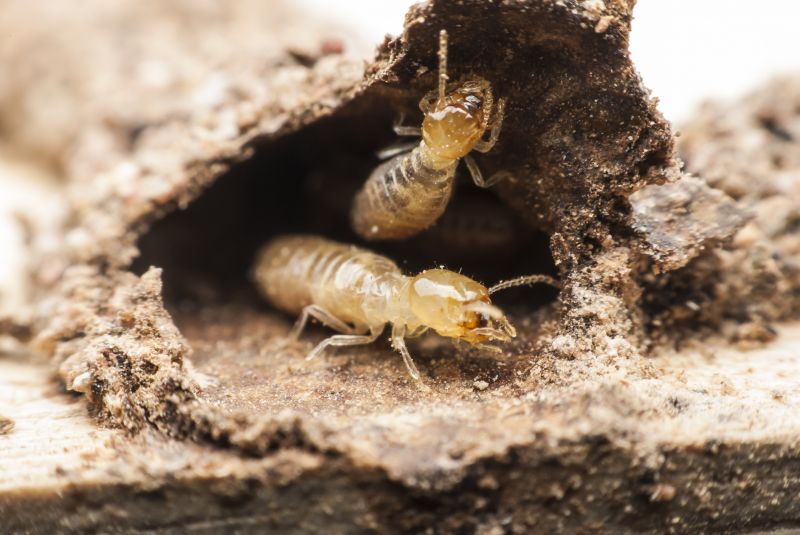

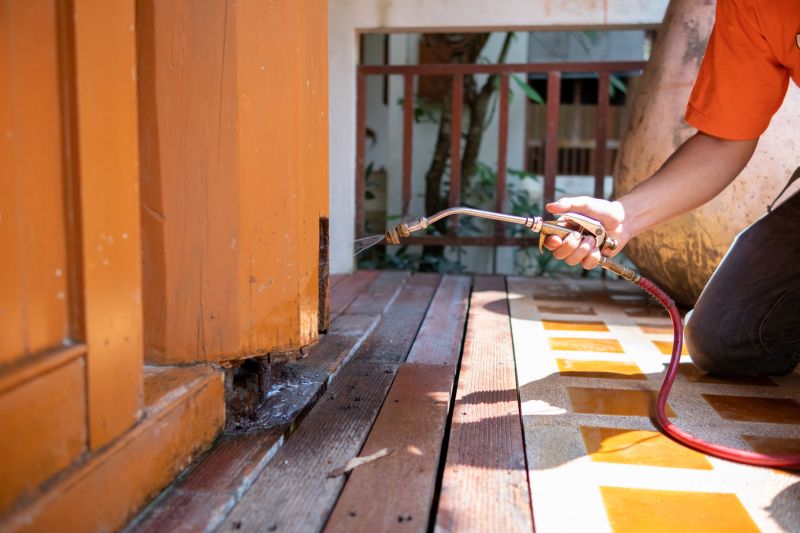
When people search for information about health and property risks associated with termite activity, they are often concerned about how these pests can affect the safety and integrity of their homes. Termites are known for causing structural damage by feeding on wood, which can weaken the foundation, walls, and support beams. Beyond the physical damage, homeowners may worry about potential health issues linked to termite infestations, such as allergic reactions or respiratory problems caused by dust, droppings, and mold growth that can develop in infested areas. Understanding these risks helps homeowners recognize the importance of early detection and professional treatment to prevent long-term damage and health concerns.
The problems related to termite activity often involve extensive property repairs and ongoing pest management plans. Structural damage can compromise the safety of a building, leading to costly repairs and decreased property value. Additionally, untreated infestations can result in mold growth and increased dust levels, which may aggravate allergies or respiratory conditions. Many property owners seek treatment plans that include regular inspections and preventative measures to keep termites from returning. Local service providers specializing in termite prevention and treatment play a key role in helping homeowners develop customized solutions that address both immediate infestations and future risks.
Certain types of properties are more likely to be affected by termite activity, especially those with wooden structures or foundations that are in contact with soil. Homes built on or near wooded areas, properties with excessive moisture, or those with existing wood debris around the foundation are at higher risk. Residential houses, especially older ones, are common targets, but commercial buildings, warehouses, and even some multi-unit complexes can also be vulnerable. These properties often require a combination of treatment approaches, including soil barriers, baiting systems, and moisture control, all of which are handled by local contractors experienced in termite management.
Understanding how health and property risks associated with termite activity relate to real projects helps homeowners make informed decisions about prevention and treatment. Local pros offer services that include thorough inspections, targeted treatments, and ongoing maintenance plans designed to protect both the structure and the health of occupants. By addressing termite activity early, property owners can avoid significant damage, reduce health-related concerns, and maintain the value of their investment. Connecting with experienced service providers ensures that the appropriate measures are taken to mitigate these risks effectively and efficiently.
Home Inspection Services - inspectors assess properties for signs of termite activity, helping identify potential health and property risks early on, and guide homeowners to suitable treatment options.
Pest Control Treatments - pest control professionals specialize in eliminating termites, which can reduce health hazards and prevent property damage caused by infestations.
Moisture Control Services - managing moisture levels around a property can deter termite activity, ultimately lowering the risk of structural damage and related health concerns.
Foundation Repair - contractors address damage caused by termites that weaken structural integrity, helping prevent further property deterioration and safety issues.
Soil Treatment and Barrier Installation - experts apply chemical or physical barriers to prevent termite intrusion, reducing health and property risks associated with infestations.
Wood Repair and Replacement - specialists replace or repair infested wood to prevent further property damage and mitigate health risks linked to deteriorating materials.
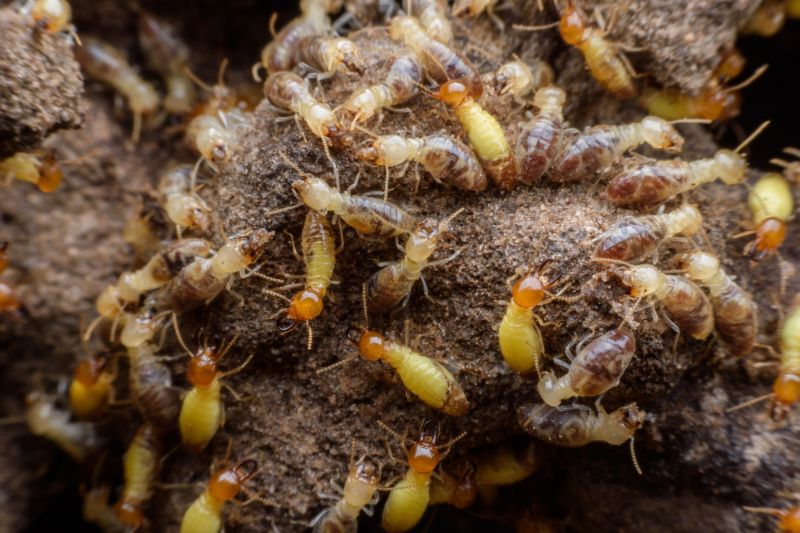
When comparing service providers for termite activity prevention and treatment, it’s important to consider their experience with similar projects. Homeowners should inquire about how long a local contractor has been addressing health and property risks associated with termite activity and whether they have handled cases comparable in size or complexity. An experienced provider will be familiar with the common signs of termite presence and the most effective prevention and treatment methods, helping to ensure that the solutions offered are appropriate for the specific risks involved.
Clear written expectations are essential when evaluating potential service providers. Homeowners should seek detailed information about the scope of work, including inspection procedures, treatment methods, and follow-up services. Having this information in writing helps prevent misunderstandings and ensures that both parties are aligned on what will be done to mitigate health and property risks associated with termite activity. Well-defined expectations also make it easier to compare different local contractors and determine which one offers the most comprehensive and transparent approach.
Reputable references and good communication are key factors in selecting a reliable service provider. Homeowners can ask for references from previous clients who had similar concerns about health and property risks related to termite activity. Positive feedback from past customers provides insight into the contractor’s ability to deliver quality work and maintain clear, ongoing communication throughout the project. Choosing a local contractor known for responsiveness and transparency can contribute to a smoother process and greater confidence that the chosen professional will effectively address the risks associated with termite activity.
Property owners often search for health and property risks associated with termite activity when they are planning practical projects around their homes and businesses. Local pros provide Termite Activity Prevention and Treatment services for everyday jobs and straightforward project options.
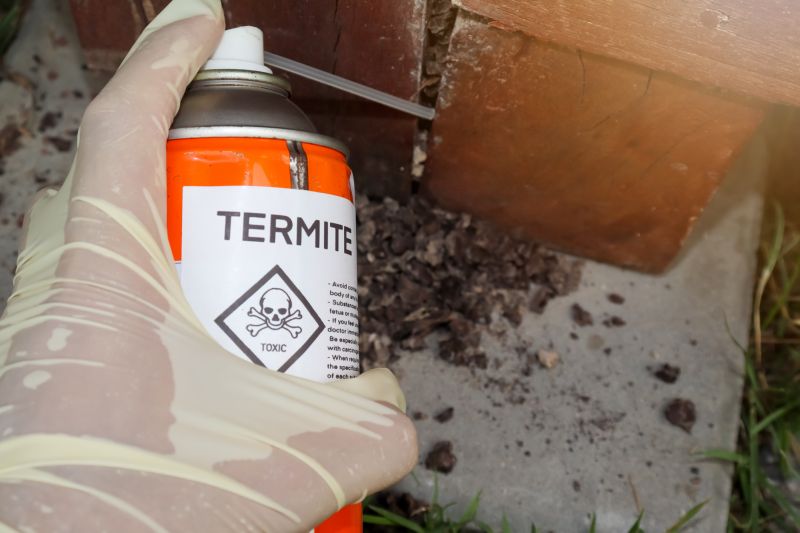
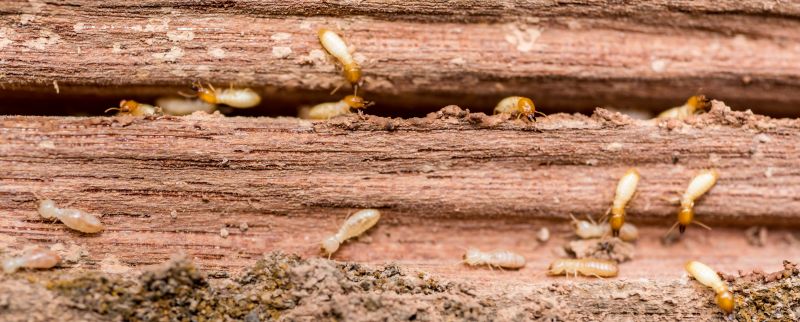
Understanding the health and property risks associated with termite activity is important for homeowners involved in routine home improvement projects or property maintenance. Termites can silently cause structural damage, weakening walls, floors, and foundations over time, which may lead to costly repairs if left unchecked. Additionally, their presence can sometimes trigger allergic reactions or respiratory issues in sensitive individuals, making early detection and prevention a practical concern for property owners in the area.
For those looking to safeguard their homes, connecting with local contractors who specialize in termite prevention and treatment can be a valuable step. These service providers can assess the property for signs of infestation, implement effective prevention measures, and address active termite issues before they escalate. Regular inspections and prompt treatment help maintain both the safety and integrity of the property, giving homeowners peace of mind during everyday projects and routine upkeep.
What health risks are linked to termite activity? Termite activity can contribute to allergic reactions and respiratory issues in some individuals due to mold and debris associated with their presence. Local contractors can help identify and mitigate these health concerns through effective treatment and prevention methods.
How can termites damage property and affect safety? Termites can cause significant structural damage by weakening wood and other materials, increasing the risk of structural failure and safety hazards. Local service providers can treat infestations to protect property integrity and reduce safety risks.
What property risks are associated with untreated termite infestations? Untreated termite activity can lead to costly repairs due to wood damage, compromised building foundations, and potential safety hazards from weakened structures. Local contractors offer prevention and treatment services to help safeguard properties.
Can termite prevention improve indoor air quality? Yes, effective termite prevention can reduce mold, debris, and allergens associated with termite activity, contributing to healthier indoor air quality. Local pros can implement measures to prevent infestations and protect health.
Why is early treatment important for health and property safety? Early treatment helps prevent extensive damage, reducing health risks from mold and debris, and minimizes structural safety concerns. Contacting local experts promptly can ensure effective prevention and treatment solutions.
Identify vulnerable areas - property owners can assess their homes for signs of termite activity and prioritize treatment in high-risk zones with help from local contractors.
Implement moisture control measures - reducing excess moisture around the property can lower the risk of health and property issues associated with termite activity, with guidance from local pros.
Schedule regular inspections - periodic checks by local service providers can detect early signs of termite presence, helping prevent extensive damage and associated health risks.
Maintain proper ventilation - ensuring good airflow in crawl spaces and basements can minimize conditions that attract termites, with advice from local contractors on effective strategies.
If you are thinking about health and property risks associated with termite activity for a property, this guide is meant to help you understand this topic, the typical project types, and how different options might fit your plans.
When you are ready, you can use the quote form on this page to share a few details about your project. From there, local pros can review the basics and follow up with options that match what you have in mind.